NBAA SOP Knowledge Check

For years, the aviation industry has relied on a single blunt instrument to gauge pilot quality: flight hours. Hours certainly reflect experience, but they do not tell the full story of how a pilot will perform tomorrow, how they communicate in a cockpit, or how they manage workload during complex operations. Professionalism, judgment, and safety culture live far above the logbook. At Flying Company, we have been working to build an assessment framework worthy of the modern business aviation environment—one that evaluates the Whole Pilot, not just their total time.
Our model acknowledges that regulatory and insurance requirements establish the baseline, but true professionalism emerges through behaviors and habits that are far more predictive of safe outcomes. This includes a pilot’s training pedigree, their approach to safety reporting, their involvement in an operator’s SMS, their credentials such as NBAA PDP or FAA WINGS, and their ability to demonstrate consistent adherence to industry best practices. Over the past year, we have introduced tools like FAA Verification, the Pilot History Form, worker classification indicators, and our Safety Report system to help operators see a more complete picture of the professionals they are hiring. Today, we are adding another important layer to that pyramid.

Why SOP Familiarity Matters
There is a substantial body of research comparing Part 91 and Part 121 operations, and one conclusion stands out again and again: the largest gap in safety outcomes is not explained by aircraft type or pilot experience—it is explained by standardization. Airlines benefit from rigorous, deeply embedded Standard Operating Procedures that create consistency, support crew coordination, reduce variance, and trap errors early. When pilots understand and follow SOPs, they are more predictable, more aligned, and more resilient when conditions deteriorate.
NBAA recognized the need to bring this level of standardization into the Part 91 world and has spent nearly a decade developing a comprehensive SOP framework tailored for business aviation. These new SOPs are far more than a collection of checklists. They represent an entire operating philosophy—one rooted in stabilized approaches, defined gates for safety decision-making, evidence-based practices, and consistent crew roles. Beginning in 2026, FlightSafety and CAE will integrate these SOPs fully into their initial and recurrent training programs, solidifying them as the industry baseline.
Standardization reduces risk, especially in contract flying, where pilots may step into a cockpit with unfamiliar crew members, disparate procedures, or different operator expectations. The more aligned pilots are around common SOP principles, the safer the entire ecosystem becomes.
A Simple Way for Pilots to Demonstrate Professionalism
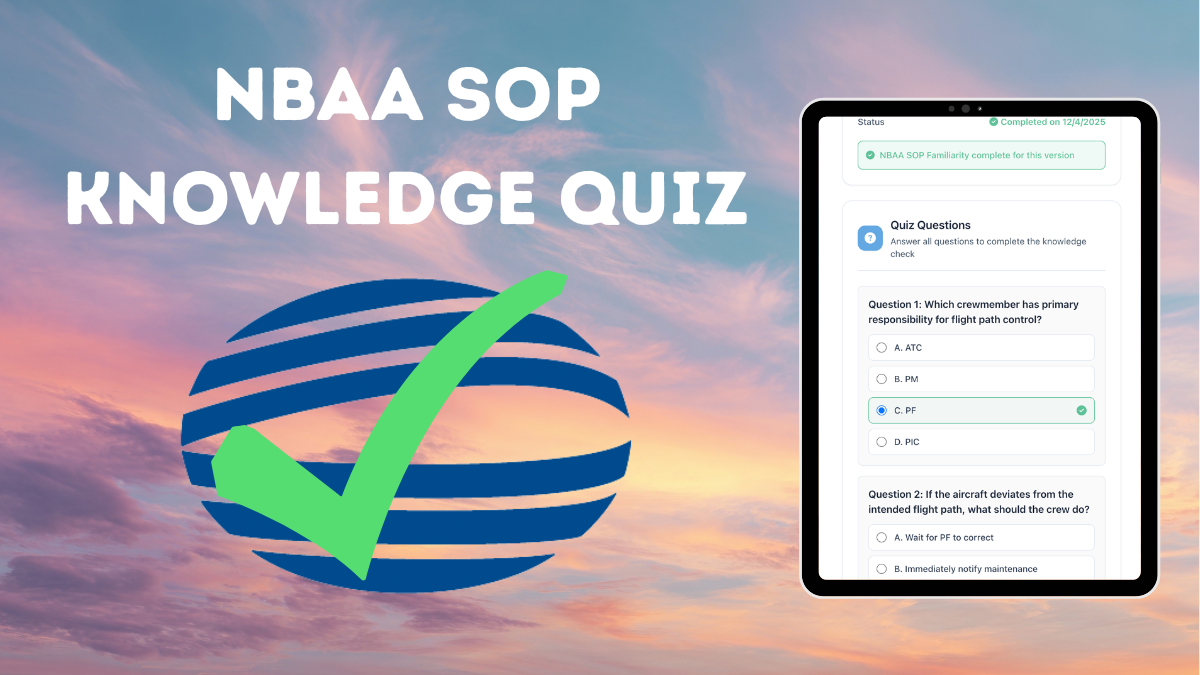
To support this transition toward greater standardization, we are introducing an optional SOP Familiarity Test on the Flying Company platform. The purpose is not to “test” pilots in the academic sense, but to give them a simple way to demonstrate that they have engaged with the new NBAA SOPs and understand the core principles that will soon serve as the foundation for business aviation training nationwide.
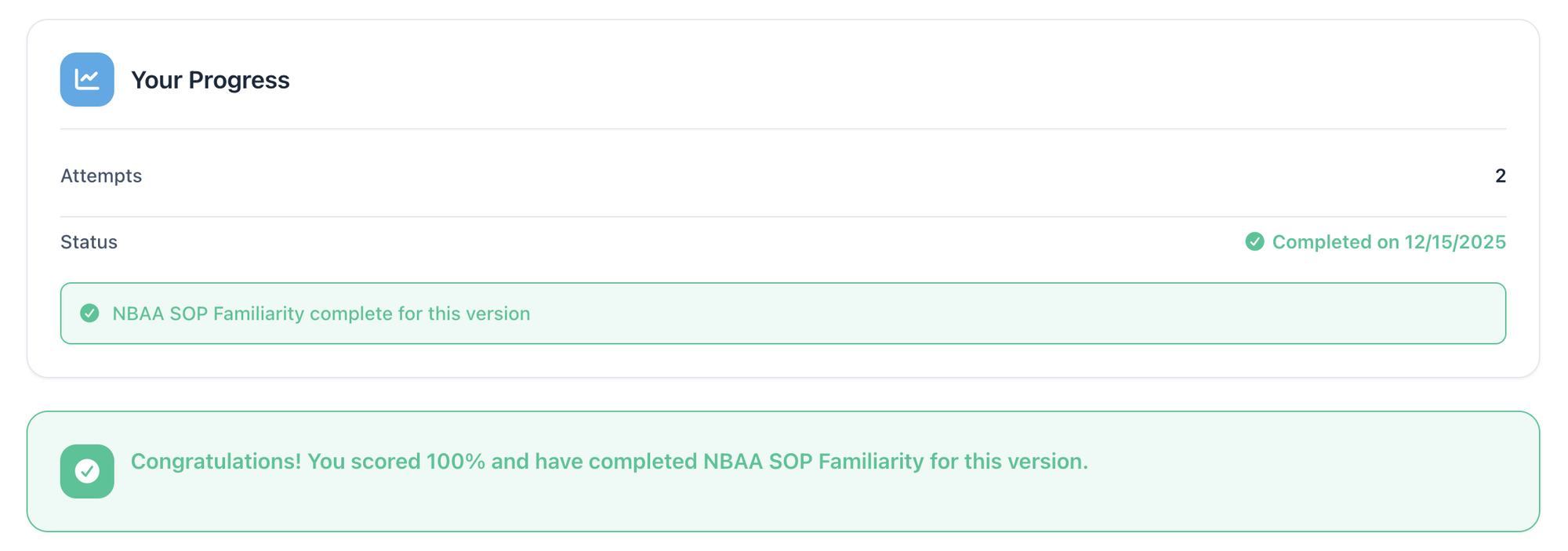
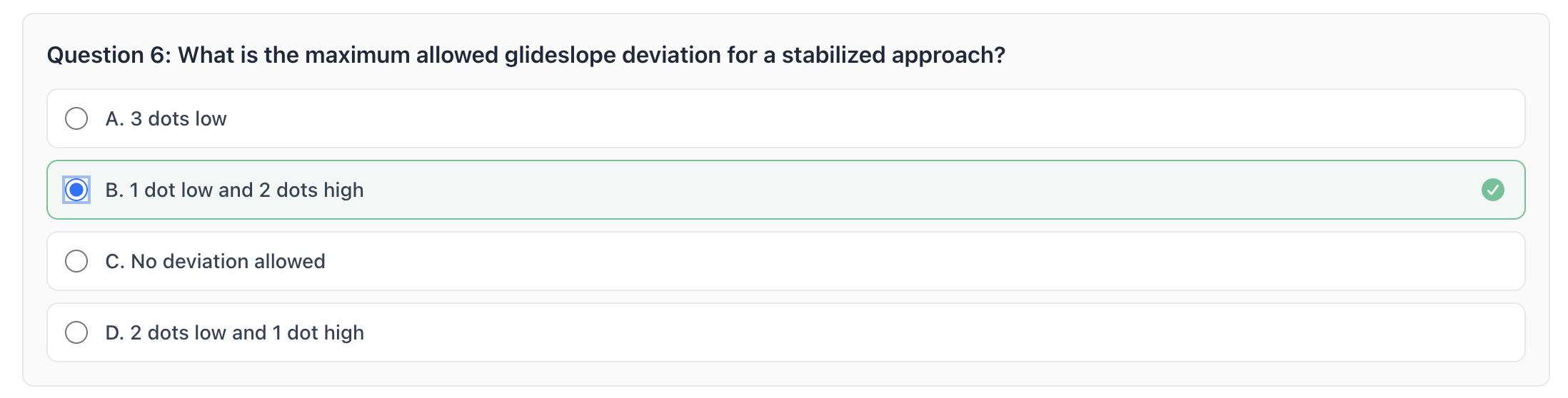
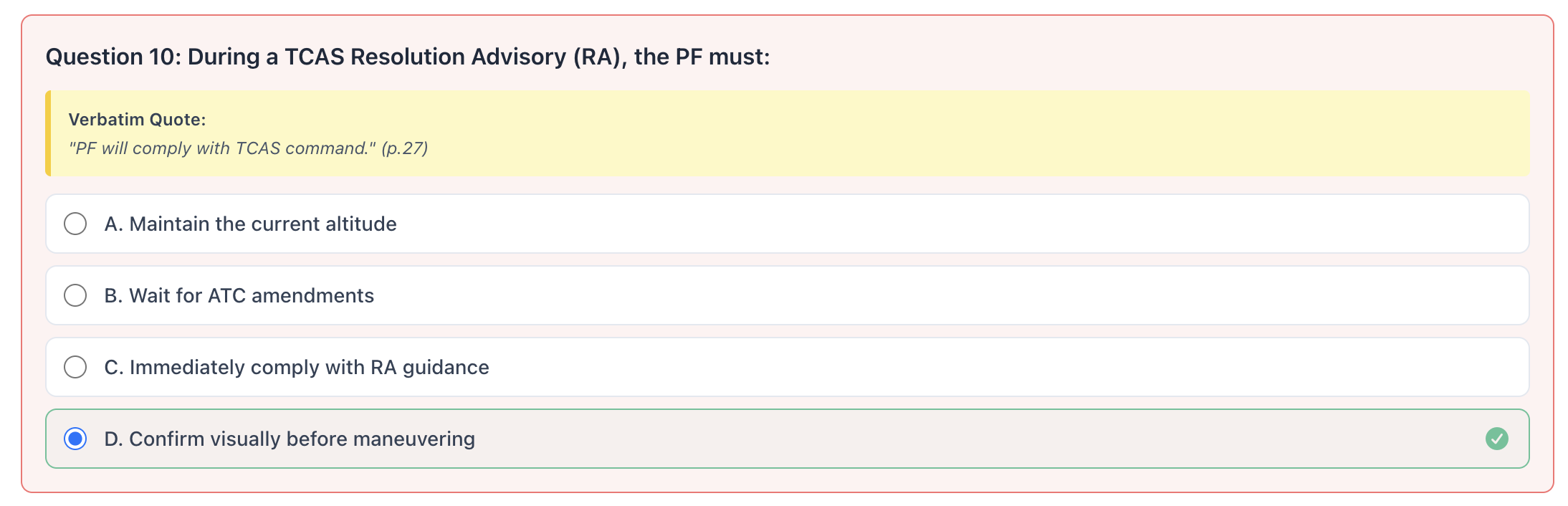
The process is intentionally simple. Pilots can download the latest version of the NBAA SOPs directly from their profile, then complete a short 10-question quiz focused on the most safety-critical elements—items like stabilized approach criteria, commitment-to-stop expectations, flight-path management responsibilities, and TCAS response procedures. The quiz is correctable to 100 percent, and pilots can adjust their responses until they achieve a perfect score. Once complete, they receive a visible badge on their profile indicating that they are familiar with NBAA SOPs.
For operators, this badge becomes a trust signal. It shows that a pilot has taken the time to understand the SOPs that are increasingly defining professionalism across the industry. For pilots, it is one more way to stand out—not through hours alone, but through behaviors that genuinely contribute to safer flying.
Another Step in Our Commitment to a Safer Hiring Ecosystem
This new SOP Familiarity feature joins a growing suite of safety-driven enhancements that reinforce Flying Company’s commitment to better hiring practices. The Pilot History Form adds important context to a pilot’s background that hours cannot capture. FAA Verification provides a layer of integrity and transparency. Worker classification indicators signal whether a pilot operates as an LLC or independent contractor. Credentials such as NBAA Professional Development Program credits, FAA WINGS achievements, and UPRT training appear directly on pilot profiles, offering deeper insight into training and professionalism. Safety reports and SMS participation offer operators a window into a pilot’s engagement with safe operating cultures.
All of these pieces work together to help operators make smarter, more informed decisions. And all of them support a future where contract flying is held to the same standard of professionalism and standardization that has made other sectors of aviation remarkably safe.
The SOP Familiarity badge is not a certification, and it is not a substitute for training. But in a world where SOP adherence is among the strongest predictors of safe outcomes, it is a meaningful step forward—for pilots, for operators, and for the entire business aviation community.